
DPH Funds Training to Assist Providers in Recognizing and Treating Stroke During Stroke Awareness Month
FOR IMMEDIATE RELEASE:
May 20, 2026
COLUMBIA, S.C. – In observance of Stroke Smart South Carolina Month and National Stroke Awareness Month, the South Carolina Department of Public Health (DPH) is highlighting a recent training initiative to improve Emergency Medical Services (EMS) and in-hospital care for stroke patients across the state.
A stroke occurs when something blocks blood supply to part of the brain or when a blood vessel in the brain bursts. In either case, parts of the brain become damaged or die. A stroke can cause lasting brain damage, long-term disability or even death.
DPH recently provided funding for 16 healthcare providers, four in each region of the state, to become Advanced Stroke Life Support (ASLS) certified.
Founded by the American Heart Association in partnership with The University of Miami’s Gordon Center for Simulation and Innovation in Medical Education, ASLS certification is a specialized program that trains healthcare professionals to recognize stroke symptoms early and provide lifesaving interventions with the overall goal of improving patient outcomes such as reducing deaths and disabilities for stroke victims.
"ASLS is an exceptional resource for healthcare providers to utilize in the identification and management of stroke patients,” said Devan Hall, Training Center Coordinator for the Lowcountry Regional EMS Council, who led the training. “The ASLS program instructs healthcare providers to establish a standardized approach to stroke care and stroke mimics, thereby enabling the collaboration of all healthcare team members to improve patient outcomes. ASLS provides evidence-based guidelines for stroke care, ensuring that these new providers and instructors are instructed on the most current practices and treatments."
According to a study that measured the impact of ASLS training for prehospital stroke care, participants' knowledge increased from 61% before training to 84% after.
The ASLS program offers two tracks: education for EMS personnel who treat the patient prior to hospital arrival and an in-hospital provider track for the emergency department staff. The 16 South Carolina providers enrolled in a combined-track, gaining valuable training in both areas.
Learning objectives of the prehospital track include stroke management principles such as calling a stroke alert to the emergency department and safely transporting the patient to the appropriate facility in a timely manner. The in-hospital track focuses on treating stroke patients with a structured approach, including evaluation, prevention and managing different types of strokes based on severity.
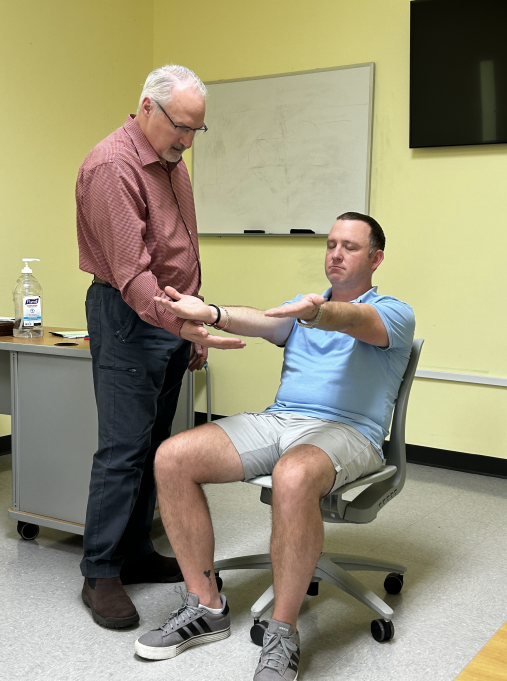
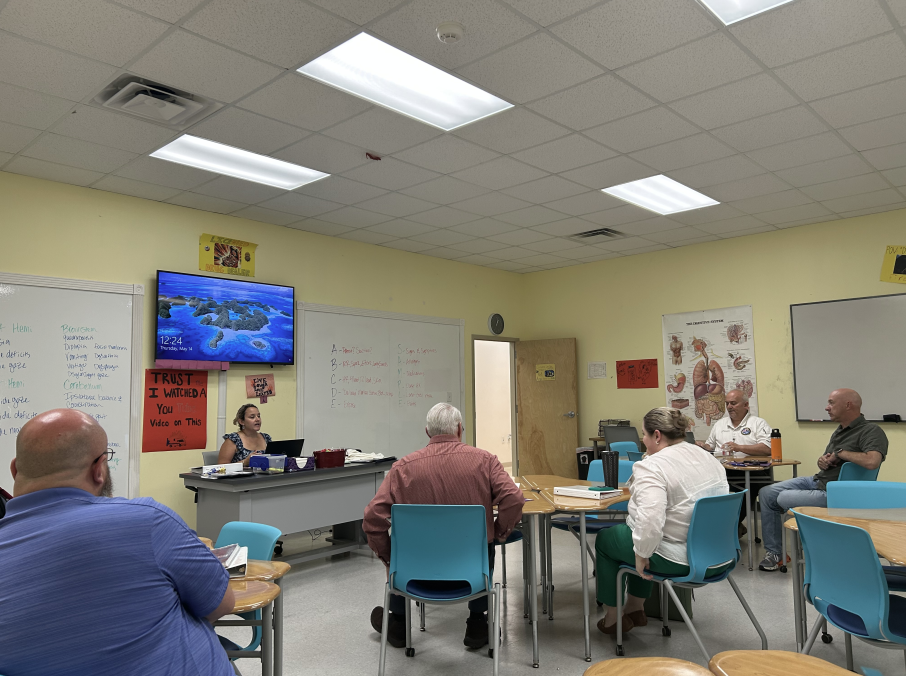
South Carolina providers enrolled in the program completed online training before doing an in-person skills testing session at the Lowcountry Regional EMS Council Training Center on May 14.
In addition to being certified as providers, participants also gained instructor certification, meaning they can now teach and certify others.
“DPH offered to provide funding for several providers across the state to become ASLS certified after discovering that a large reason the state was lacking in certified individuals was due to funding restraints,” said Allison McElveen, DPH EMS & Trauma Section's Stroke/ST-elevation myocardial infarction (STEMI)/Sepsis Program Coordinator. “Now that we will have 16 additional instructors across the state, we hope to certify many more providers.”
Participants include providers from Self Regional Hospital, Spartanburg Regional Healthcare System and Spartanburg EMS, Piedmont Medical Center, Lexington County EMS, Florence County EMS, Horry County Fire Rescue, Grand Strand Medical Center, Fairfield County EMS, Roper St. Francis Hospital, MUSC Midlands Downtown, Hampton Regional Medical Center, Tidelands Health, Berkley County EMS, Bon Secours St. Francis, Union County EMS, and Charleston County EMS.
Stroke in South Carolina
Gov. Henry McMaster declared May as Stroke Smart South Carolina Month to encourage all South Carolinians to learn about stroke recognition and the importance of dialing 911 when someone is experiencing a stroke.
Strokes accounted for 21,623 emergency department visits in South Carolina in 2023.
South Carolina ranks among the top 10 states in the nation for the highest death rate due to stroke, according to the Centers for Disease Control and Prevention (CDC). Fortunately, South Carolina’s stroke mortality rate has declined in recent years, from 48.3 (per 100,000 people) in 2021 to 43.6 in 2023.
There are steps people can take to reduce their risk of stroke. Additionally, B.E.F.A.S.T. is an easy acronym to help you remember the signs and symptoms of a stroke—and potentially save a life. Look out for any one of these signs that could mean a stroke, and call 911:
- Balance – sudden loss of balance, dizziness
- Eyes – sudden vision changes
- Face – sudden facial drooping, severe headache
- Arms – sudden weakness, numbness
- Speech – sudden trouble speaking, confusion
- Time – call 911 right away
More information regarding strokes can be found on the DPH's stroke webpage.
###
DPH Funds Training to Assist Providers in Recognizing and Treating Stroke During Stroke Awareness Month
View All-
Rabid Bat and Raccoons Confirmed in Multiple Counties; Three People Exposed
Read Full ArticleFOR IMMEDIATE RELEASE:
Oct. 19, 2026COLUMBIA, S.C. — The South Carolina Department of Public Health (DPH) confirmed that a bat from Pickens County and raccoons from Charleston and Lexington counties have tested positive for rabies.
-
EMS for Children Advisory Committee to Meet Thursday, Oct. 22, 2026
Read Full ArticleFOR IMMEDIATE RELEASE:
Oct. 19, 2026COLUMBIA, S.C. — The EMS for Children Advisory Committee will meet Thursday, Oct. 22 at 10 a.m., virtually. The agenda and link to view the meeting are available on the meeting event page.
###
-
DPH Highlights Community Engagement Staff During National Health Education Week
Read Full ArticleFOR IMMEDIATE RELEASE:
Oct. 19, 2026The South Carolina Department of Public Health (DPH) is observing National Health Education Week (Oct. 19-23) by recognizing the critical work of the agency’s community engagement staff in the communities they serve.
Celebrated annually during the third week of October, National Health Education Week aims to increase national awareness on major public health issues and promote a better understanding of the role of health education.