

Updated: Dec. 4, 2025
Birth Control Methods Listed Most Effective to Least Effective
Abstinence
- Abstinence from all sex protects you and your partner from pregnancy and STDs/STIs/HIV.
- People can choose abstinence at any time and at any age.
- Perfect Use: Abstinence is 100% effective.
Hormone methods give constant protection from pregnancy. Visit a Family Planning Clinic for the following methods.
To find a clinic near you visit Family Planning Clinic Locator or call the Care Line at 1-855-472-3432.
Implant (Nexplanon™)
The implant is a thin, 2-inch plastic rod that uses hormones to prevent pregnancy for 3 years.
- A clinic doctor or nurse inserts it under the skin on the inside of your arm.
- Perfect Use: The implant is 99% effective.
- Typical Use: 1% or fewer women will become pregnant.
IUD(ParaGard®)/IUS(Mirena®)/Liletta
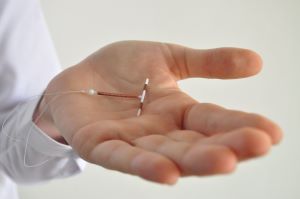
These small devices are inserted into your uterus.
- They work for 5-10 years.
- Perfect Use: The IUD is 99% effective.
- Typical Use: 1% or fewer women become pregnant.
The "Shot" (Injectable Contraceptive)
- You get a birth control shot once every 3 months from a doctor or nurse.
- Perfect Use: The shot is an easy method and is 99% effective if you get your repeat shots ON TIME every 3 months.
- Typical Use: 94% effective. This means that 6 women out of 100 will become pregnant.
Birth Control Pills

You take one pill at the same time every day. Missing a pill increases your chance of pregnancy.
- Pills are easy to take and are effective birth control that doesn't interrupt sex.
- Perfect Use: Birth Control Pills are 99% effective when taken daily; the mini pill (progestin-only) needs to be taken within the SAME HOUR daily.
- Typical Use: 92% effective. This means that 8 women out of 100 become pregnant.
Vaginal Ring (NuvaRing®)
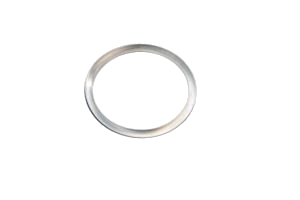
This small, soft plastic ring has hormones to prevent pregnancy.
- You place a new ring in your vagina every month.
- Perfect Use: The ring is easy to use and is 99% effective when kept in place and changed ON TIME.
- Typical Use: 91% effective. This means that 9 women out of 100 will become pregnant.
Birth Control Patch
The patch is a thin, stick-on square that is placed on your body to prevent the release of an egg.
- A new patch is used once a week for three weeks and the fourth week is patch-free.
- Perfect Use: The patch is 99% effective when kept in place and changed ON TIME.
- Typical Use: 91% effective. This means that 9 women out of 100 will become pregnant.
Diaphragm

This is a rubber cap that needs to be fitted to your size by a clinic doctor or nurse.
- It must be inserted into your vagina EACH time you have sex.
- Perfect Use: The diaphragm is 94% effective when used correctly every time you have sex.
- Typical Use: If women use the diaphragm, but not perfectly, it is 88% effective. This means that 12 women out of 100 will become pregnant.
The Female Condom (Internal Condom)

The female condom is a soft, loose-fitting thin plastic pouch that goes inside the vagina.
- You plan ahead and put it in before sex and use a new condom each time you have sex.
- Condoms protect you from both pregnancy and STDs/STIs, including HIV.
- Female condoms are plastic so people who are allergic to latex can use them.
- You can get them at drug stores and most health clinics.
- Perfect Use: 95% effective when used correctly every time you have sex.
- Typical Use: If women use the female condom, but not perfectly, it is 79% effective. This means that 21 out of 100 women will become pregnant.
Fertility Awareness Method
You learn how to tell when you can get pregnant.
- Avoid sex or use other birth control during this time.
- Perfect Use: Overall effectiveness relies on the quality of the recorded data.
- Typical Use: Perfect use hardly ever happens, so this method is typically only 77% effective. This means that 23 out of 100 women will become pregnant.
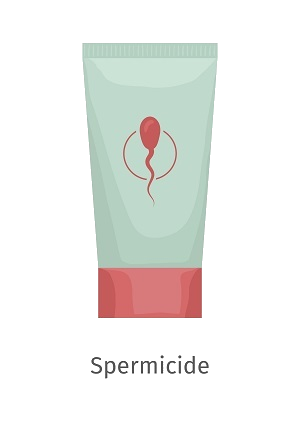
Spermicides
Spermicides are chemicals that kill sperm. They come in foam, gel, film or suppositories.
- Spermicides used with a condom are very effective.
- You can get them at drug stores and some health clinics.
- Perfect Use: 82% effective when used correctly every time you have sex.
- Typical Use: If women use spermicides, but not perfectly, it is only 72% effective. This means that 28 out of 100 women will become pregnant.
If a Condom Breaks or Sex "Just Happened", You Can Still Prevent Pregnancy
To find a clinic near you, go to: Family Planning Clinic Locator or call the Care Line at 1-855-472-3432.
Emergency Contraception (Plan B®)
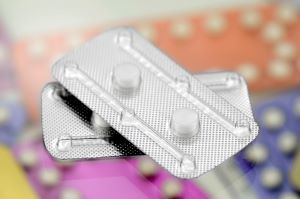
Emergency birth control pills or emergency contraception may be taken AFTER unprotected sex to prevent pregnancy.
- Emergency contraception reduces the risk of pregnancy when taken as soon as possible or within 5 days of sex.
- Emergency contraception is NOT the same as the abortion pill and will NOT stop or harm the pregnancy or fetus if you are already pregnant.
- Keep emergency contraception on hand as a backup in case a condom breaks or another birth control method fails.
- You can get emergency contraception from the drugstore without a prescription if you are 17 or older (with a prescription if you are under 17) or for low or no-cost at a family planning clinic.
Emergency contraception lowers your risk of pregnancy by 75-88%, but could be as high as 95% if taken within 24 hours.
Plan Ahead
Talk to your partner about birth control and select a method together.
Schedule an appointment today at your local Family Planning Clinic.