

Prediabetes
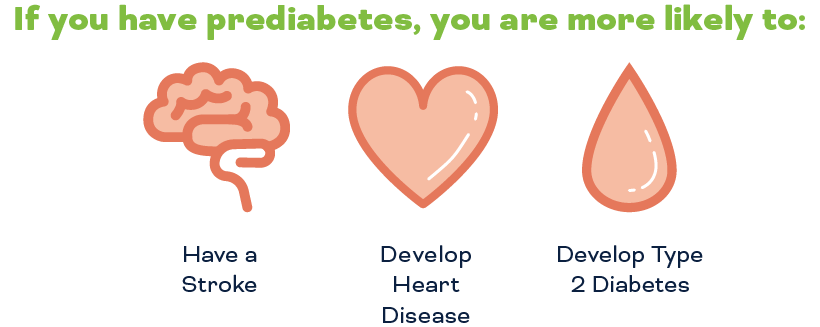
Prediabetes, sometimes called borderline diabetes, is a serious health condition where blood sugar levels are higher than normal. Up to 90% of adults with prediabetes don’t know they have it. However, there is good news: Prediabetes can often be reversed.*
Preventing Diabetes
Who Should Get Tested?
- Older adults, ages 45+
- Overweight or obese adults
- Adults who are physically inactive
- Adults with high blood pressure
- Adults with family members who have diabetes
- Women who have had diabetes while pregnant
- Women who had a baby weighing more than 9 lb
Taking early steps can help prevent or delay the onset of type 2 diabetes. An important first step is taking a simple test to know your risk.
National Diabetes Prevention Program
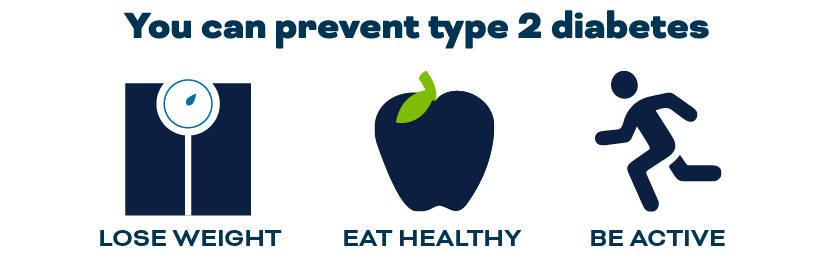
One of the most effective ways to prevent type 2 diabetes is by participating in a National Diabetes Prevention Program (National DPP), which teaches valuable skills to help you lose weight, become more active, and improve your overall health. There are some low to no-cost programs in South Carolina. You may have coverage for diabetes prevention programs through your employer.
Over 12,000 people participated in Diabetes Prevention Programs in South Carolina. Participation in these lifestyle change programs can reduce the risk of developing diabetes by 58%.†
Healthy Living
Small Changes, BIG RESULTS
The same healthy habits that support your heart, brain, and overall well-being can also help prevent or delay type 2 diabetes.
You don't have to make dramatic changes overnight. Small steps taken consistently can have a big impact over time.

Eat Well
Choose more vegetables, fruits, whole grains, lean proteins, and water.
Move More
Aim for 30 minutes of physical activity at least five days per week.

Prioritize Sleep
Adults should aim for 7–9 hours of quality sleep each night.

Manage Stress
Healthy coping strategies can support both physical and mental health.