

More Than a Heel Prick: PH Lab Architect's Connection to New Lab Goes Beyond Brick & Mortar
Wednesday, Aug 5, 2026
Flonasia Neals
Office of Communications and Public Affairs
Thousands of newborn blood samples will pass through South Carolina's new Public Health Laboratory over the next year. Most parents will never know the names of the scientists and technicians analyzing those tiny drops of blood, nor the architects who designed the building where the work takes place.
But for Steve Coe — president of the primary architecture firm working on the new Public Health Laboratory — the connection happens to be deeply personal.
For Coe, the new laboratory isn't simply another public building. It's the place where the same newborn screening program that identified his daughter's rare medical condition years ago will continue helping families across South Carolina for generations.
Twenty-four years ago, Coe and his wife, Anna C. Coe, brought home their first baby girl, Abigail.
"We were just two young kids having a baby," Coe said. “Like most young couples, we really didn't know what we were doing.”
Two days later, the excitement turned into fear.
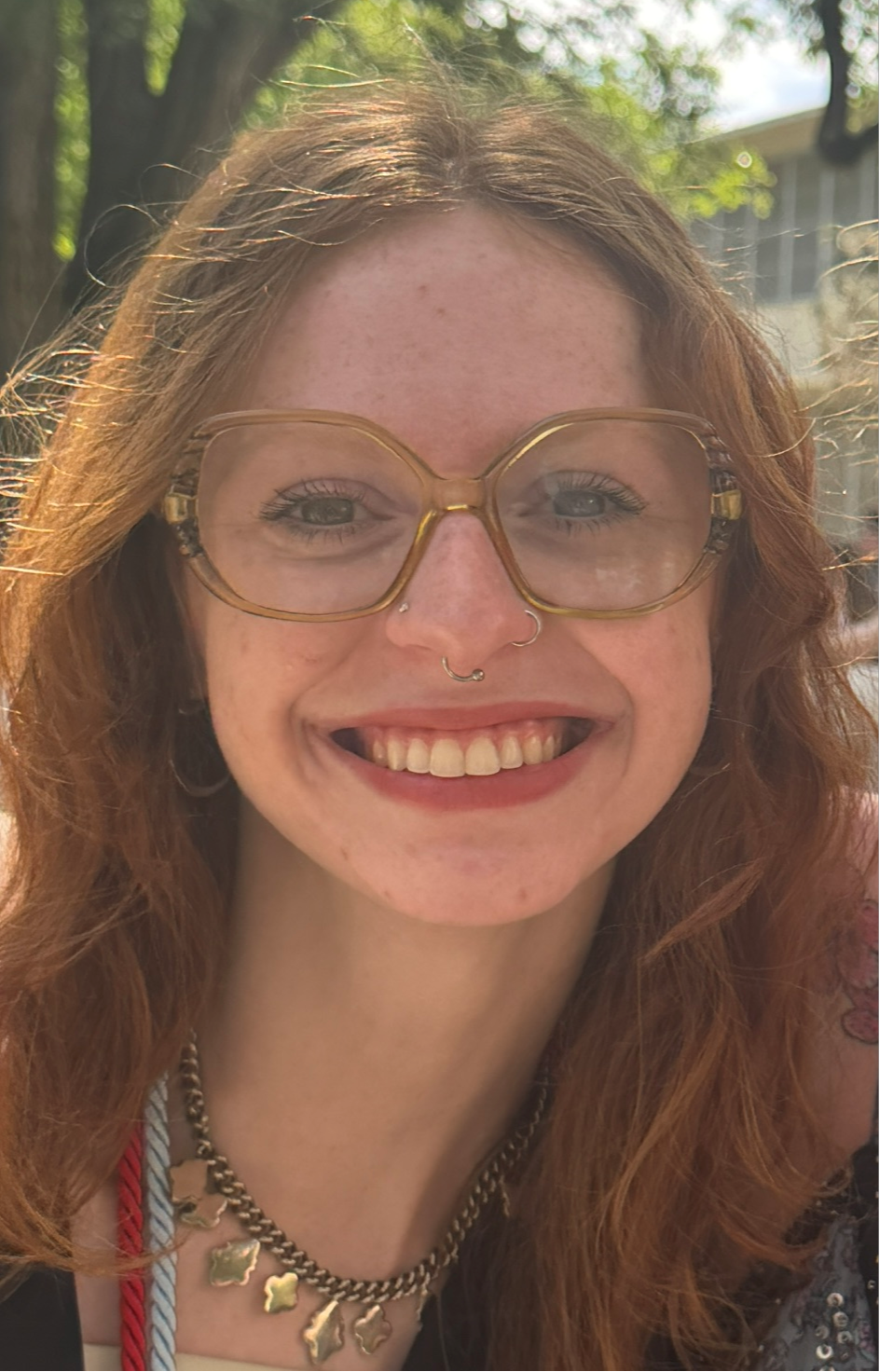 The family received a phone call from the Medical University of South Carolina (MUSC) asking them to report to nuclear medicine immediately after concerns were identified through their newborn's routine screening.
"Being new parents, we did not know what that really meant and how it would impact her life," Coe said. "It sounded pretty ominous; we were terrified because we didn't know what any of it meant."
The tiny blood sample collected from their daughter's heel shortly after birth, as part of routine newborn screening performed on every baby born in South Carolina, revealed something doctors might not have discovered for months.
"We were told the lab results showed her thyroid tissue never descended therefore she did not have an active thyroid gland," said Coe.
According to the Pediatric Endocrine Society, Abigail's condition, known as congenital hypothyroidism, occurs when a baby is born without the ability to make normal amounts of thyroid hormone. This condition affects approximately one in every 3,000 to 4,000 newborns. Without early diagnosis and treatment, thyroid hormone deficiency can significantly affect brain development and physical growth.
Fortunately, public health lab scientists caught Abigail's condition almost immediately.
She began taking Synthroid, a daily thyroid hormone replacement medication, and continues regular blood testing several times each year.
Looking back, Coe often reflects on how different Abigail's future might have been had the condition gone undetected.
"The effects of her not having thyroid hormones during those developmental years would have been catastrophic," said Coe.
Thanks to early diagnosis and treatment, Abigail thrived throughout her school years, excelling in school and growing into a healthy young adult.
"She's thriving as a young adult and manages the condition," Coe said.
Today, Abigail is a recent college graduate with a Bachelor of Science degree in Historic Automobile Restoration from McPherson College in McPherson, Kansas.
The experience also gave Coe a lasting appreciation for public health programs.
"I was amazed to learn South Carolina, at the time, was one of the leading states performing this testing," he said. "You hear negative things about healthcare sometimes, but finding out our state was leading the way made me proud to be a South Carolinian."
Now, just days away from a ribbon cutting, Coe's professional and personal lives unexpectedly intersect.
His architectural firm, Caplea Coe Architects, Inc., working alongside HDR Architecture, was selected to design South Carolina's new Public Health Laboratory, a project that has taken nearly four years from planning through construction.
It wasn't until staff members explained the laboratory's newborn screening program section during a project walk-through that everything came full circle.
"During the walk-through on the public health side into newborn screening, we were told what they did. I said, ‘well, that sounds familiar,' just because of what happened to us, my daughter," said Coe.
"That realization created a real connection to my family and made me respect this project even more"
For Coe, the laboratory represents far more than concrete, steel and glass.
"As architects, sometimes we get caught up in thinking we're just building a building," said Coe. “But it's really about what happens inside and what it allows people to do.”
The new facility provides employees with modern laboratory spaces within an environment designed to improve efficiency, collaboration and scientific research. Filled with natural light and workspaces, Coe hopes the building provides scientists and laboratory professionals with an environment that supports the lifesaving work they perform every day.
"It's going to impact people's lives in a real and positive way," said Coe. "It's a special feeling to know we were part of that."
As South Carolina prepares to open the new Public Health Laboratory, Coe hopes people remember that behind every test result is a family whose future may be forever changed.
"I think we should all realize that what we do every day can have a much bigger impact than just ourselves or our own family," said Coe.
For Steve Coe and his family, that impact began with a simple heel prick.