

DPH, SCEMD Encourage Residents to Plan Ahead for Cold Weather Season
FOR IMMEDIATE RELEASE:
Dec. 10, 2024
COLUMBIA, S.C. – The South Carolina Department of Public Health (DPH) is joining the South Carolina Emergency Management Division (SCEMD) in reminding residents to take active precautions to stay safe as temperatures drop and bring potentially dangerous conditions.
While South Carolina winters are typically mild, severe winter weather can still occur, potentially bringing snow, sleet, freezing rain and extreme temperatures, all of which can have a significant impact on your and your family’s safety.
Thousands of people are injured or killed every year in traffic accidents related to slippery roads from winter storms, according to the National Weather Service (NWS). Additionally, DPH’s detailed mortality statistics include 25 deaths due to exposure to excessive natural cold in South Carolina in 2022.
“Winter weather in South Carolina may be unpredictable, but your safety doesn’t have to be,” said Kim Stenson, Director of the South Carolina Emergency Management Division. “Preparation today can make all the difference when hazardous winter weather strikes.”
The South Carolina Emergency Management Department (SCEMD) offers a Winter Weather Guide to help residents prepare for hazardous winter weather. As recent storms have shown, extended power outages can cause significant and potentially life-threatening conditions that could be made far more dangerous when coupled with freezing temperatures.
SCEMD also recommends downloading the SC Emergency Manager mobile app, which is designed to help residents create emergency plans, manage supplies, locate open emergency shelters, and stay connected with loved ones. The app also features a flashlight, locator whistle, and damage reporting tool, and is available for free on the Apple App Store and Google Play.
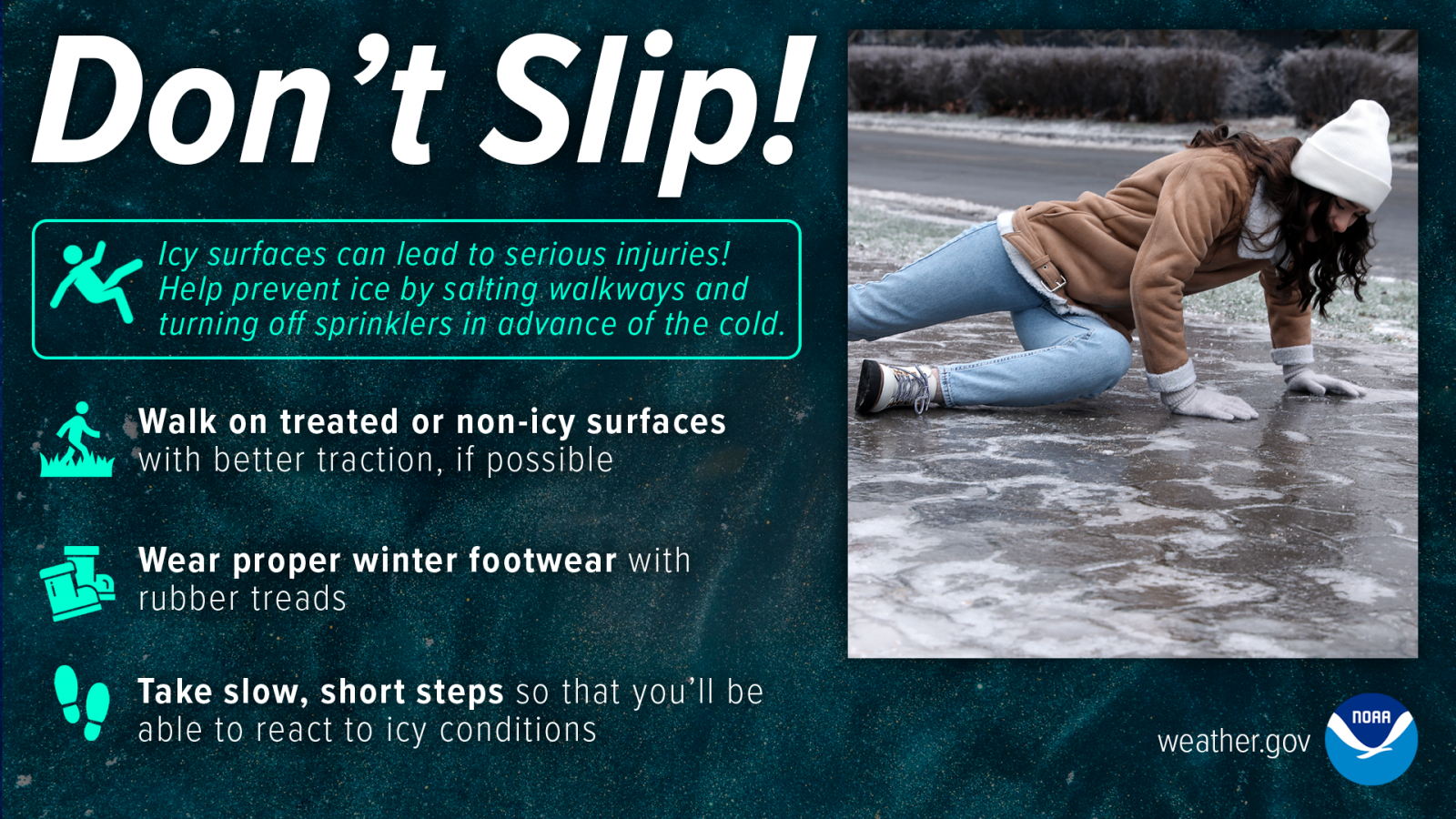
Winter weather also brings an increased risk of certain types of injury, from hypothermia to falls from walking on sleet and ice to tree limbs falling due to the weight of ice.
“Winter weather conditions can bring changes to your environment that make normal tasks more dangerous,” said Dr. Edward Simmer, interim DPH director. “This can be especially true for our vulnerable populations, like newborns, the elderly and those with chronic health conditions. We encourage all South Carolinians to take steps to prevent potential injury, including dressing for colder conditions, taking additional measures to avoid falls, and being extra cautious while driving.”
Use of space heaters and fireplaces during the winter months also increases the risk of carbon monoxide (CO) poisoning and fire. CO is found in fumes produced any time you burn fuel in cars or trucks, small engines, stoves, lanterns, grills, fireplaces, gas ranges or furnaces, and can build up indoors and poison people and animals who breathe it.
There were 158 deaths and 607 emergency department visits due to unintentional CO poisoning between 2018 and 2022. During the same period, there were 418 fatal fires and 466 fire deaths in South Carolina.
Fireplaces and heaters should never be left unattended, and residents are urged to ensure proper ventilation when in use. DPH recommends installing a smoke alarm and carbon monoxide detectors on each floor of your home and one outside each bedroom. Check alarms regularly to ensure they are working properly.
In the event of weather emergencies, SCEMD and DPH recommend having an emergency plan and emergency kit. Individuals and families should prepare a kit with three days' worth of food and water, and it is critically important to include items that meet their specific needs of their household, especially for infants, the elderly and persons with disabilities or serious illnesses. These special needs can include formula, diapers, medications and medical equipment. Additional items like sleeping bags, warm blankets and additional clothing may also be necessary to include during the winter months.
For more information on winter weather safety and additional resources, visit the National Weather Service website or the SCEMD website at www.scemd.org.
###
Tags
DPH, SCEMD Encourage Residents to Plan Ahead for Cold Weather Season
View AllDPH Spotlights Safety Tips, Hosts Drawing Contest for International Bat Week
Read Full ArticleFOR IMMEDIATE RELEASE:
Oct. 15, 2026COLUMBIA, S.C. ― In advance of International Bat Week (Oct. 24-31), the South Carolina Department of Public Health (DPH) encourages residents to learn about the important role bats play in the environment while also being cautious in their presence. Additionally, DPH is hosting a drawing contest to encourage K-8 students to learn more about bats and the risk of rabies.
-
SC EMS Training Committee to Meet Thursday, Oct. 15, 2026
Read Full ArticleFOR IMMEDIATE RELEASE:
Oct. 13, 2026COLUMBIA, S.C. — The SC EMS Training Committee will meet Thursday, Oct. 15, at 10 a.m., at the State of South Carolina Health Campus, Conference Room A141, 400 Otarre Parkway, Cayce. The agenda and link to view the meeting are available on the meeting event page.
-
DPH Underscores the Critical Role of Early Detection During Breast Cancer Awareness Month
Read Full ArticleFOR IMMEDIATE RELEASE:
Oct. 7, 2026In recognition of National Breast Cancer Awareness Month this October, the South Carolina Department of Public Health (DPH) is reminding women across the state that early detection saves lives. The department also emphasizes that understanding your family’s breast cancer history is an important part of protecting your health.
-
Rabid Animals Confirmed in Chester and Oconee Counties; Three Pets Exposed
Read Full ArticleFOR IMMEDIATE RELEASE:
Oct. 6, 2026COLUMBIA, S.C. — The South Carolina Department of Public Health (DPH) confirmed that a skunk from Chester County and a bat from Oconee County have tested positive for rabies.